
Saving $1,000 may sound overwhelming and frustrating, especially when you have to deal with bills, groceries, or daily expenses. Most financial advice starts with “stop buying coffee” but in reality, skipping small joys isn’t always the answer. Saving shouldn’t feel like a restriction or a punishment, it should feel like progress. The good news is that you don’t need to completely change your lifestyle or earn a six figure salary to save a big amount like $1,000. With just small adjustments, you can build consistency and see results fast. This article will help you explore some beginner friendly ways to save money fast, helping you save with consistency and motivation without taking away the joy of small costs like grabbing yourself a cup of coffee.
Automate Your Savings Before You Spend
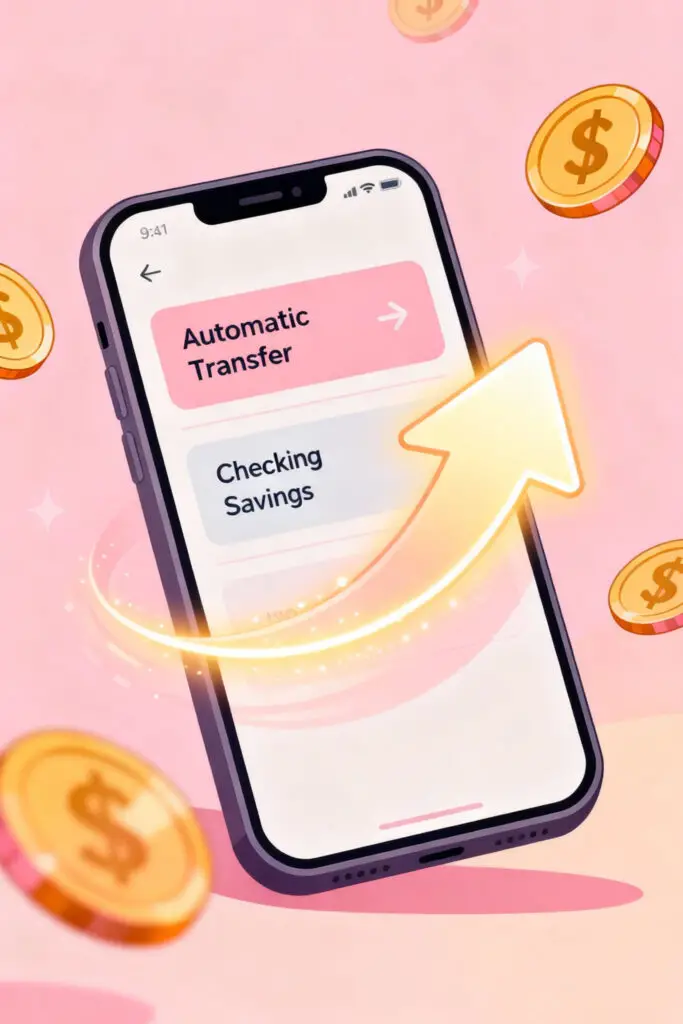
One of the easiest ways to save money fast is to automate your savings before you spend. The main catch of this trick is to pay yourself first rather than saving the leftover money, allowing you to prioritize your savings. Having a fixed amount, even if it’s something as little as $20 or $30 can help you save with consistency.
When you treat saving like a non-negotiable bill, it becomes low effort and low maintenance, making it easy for you to stick with the challenge even when it becomes difficult to follow it. You can set up automatic transfers from your checking account to your savings account each month, so that savings quietly happen in the background, allowing your money to grow without any drama or distraction.
Do a 30-Day No-Spend Challenge
A 30-day no spend challenge can help you reset your spending habits, allowing you to become more mindful and intentional when it comes to your hard-earned money. This challenge isn’t about holding back on every expense because that would be unrealistic, you can commit to spending only on essentials like rent, groceries, and bills, while cutting out those non-essential expenses like shopping, takeouts, or subscribing to services.
At the end of the challenge, you might be surprised by how much money you can save simply by holding back on those non-essential spending categories.
Sell Unused Items Around the House

One of the simplest ways to build your savings quickly is by selling things you no longer use or need. You’d be surprised at how many valuable items might be sitting around your home, from clothes that no longer fit to gadgets, books, decor pieces, or kitchen tools you rarely touch.
Instead of letting them sit idle, turn them into cash through online marketplaces like Facebook Marketplace or local buy-and-sell groups. Not only does this help you declutter your space and create a sense of calm, but it also gives you a quick financial help without changing anything in your daily life.
Cook at Home More Often
Eating out or ordering takeout can quietly drain your wallet without you even noticing it. Cooking at home doesn’t mean giving up convenience or flavor, in fact, it can become one of the most satisfying habits once you get into it. You can start by planning a few easy meals each week, using ingredients you already have, and gradually building your cooking routine.
Try preparing larger portions so you have leftovers for lunch the next day, which saves both time and money. Even replacing just a few takeout meals per week with home-cooked ones can help you save a significant amount without ever feeling deprived.
Cancel or Pause Unused Subscriptions
Most of us have at least one subscription we’ve forgotten about, whether it’s a streaming service we no longer use or an app we subscribed to months ago. Take a few minutes to check your bank statements and identify any subscriptions that quietly renew each month.
Cancel or pause the ones that no longer add value to your life, however, you can always resubscribe later if you truly miss them, but in the meantime, you’ll be saving that money instead of letting it disappear unnoticed. Sometimes, even trimming just two or three small subscriptions can make a noticeable difference in your monthly budget.
Use the “Cash Envelope” System
Sticking to cash may sound old-fashioned, but it can be incredibly effective when you’re trying to control your spending. The cash envelope system involves setting aside cash for different spending categories, like groceries, dining out, or entertainment, and keeping them in labeled envelopes.
Once the money in a specific envelope runs out, that’s your signal to stop spending in that area for the month. This physical method helps you become more aware of how much you’re spending and makes every purchase feel more intentional. It’s a simple yet powerful way to stay disciplined without constantly checking your bank balance.
Round Up Your Purchases Automatically
If you ever struggle to save consistently, round-up apps can make the process effortless. These apps automatically round up your purchases to the nearest dollar and transfer the spare change into your savings account. For example, if you spend $7.40 on a coffee, the app will round it up to $8 and save the extra $0.60 for you.
pIt might sound small, but over time, those little amounts can quietly grow into something meaningful. This method is perfect for people who prefer “set it and forget it” saving because it doesn’t feel like you’re losing anything, you’re just making your spare change work harder for you.
Pick Up a Small Side Hustle
If you want to accelerate your savings even more, consider picking up a small side hustle that fits your lifestyle. This doesn’t have to be something big or time-consuming, even a few hours of freelancing, pet sitting, babysitting, or selling handmade items online can make a noticeable difference.
The key is to dedicate any income from your side hustle directly to your savings goal rather than spending it. Seeing your balance grow from your own effort can be incredibly motivating, reminding you that even small actions can lead to big results over time.
Lower Your Utility Bills
Cutting your utility costs is one of the most underrated ways to save money without changing much about your routine. Start with simple adjustments like turning off lights when not in use, unplugging chargers, using energy-efficient bulbs, or washing clothes in cold water.
You can also set your thermostat a few degrees lower in winter or higher in summer to save on heating and cooling costs. While these might seem like minor changes, they can add up to a noticeable reduction in your monthly bills, allowing you to redirect that extra cash straight into your savings.
Try a Weekly “Spending Freeze”
A spending freeze doesn’t mean depriving yourself of everything, it simply means committing to one or two days each week where you spend absolutely nothing. During those days, you can focus on free activities like cooking at home, watching movies you already have, or spending time outdoors.
This small habit builds awareness and helps you realize how often you buy things out of impulse rather than need. Over a few weeks, you’ll find it easier to say no to unnecessary purchases and yes to your savings goals, all without feeling like you’re missing out.
Use Cashbacks and Reward Apps Wisely
Cashback apps and reward programs can be surprisingly helpful when used intentionally. Instead of chasing every deal, focus on earning rewards from purchases you were already planning to make.
Whether it’s grocery shopping, online purchases, or travel bookings, these small cashbacks can add up over time. Just be careful not to overspend in the name of earning points, the goal is to save money, not to find excuses to spend more. Treat cashback as a bonus that goes directly into your savings jar, bringing you one step closer to your $1,000 goal.
Save All Your “Extra” Money
Extra money often comes and goes faster than we expect, whether it’s a tax refund, work bonus, cash gift, or even loose change, make it a rule to save it rather than spend it. Since this money isn’t part of your regular income, you won’t miss it if you put it away immediately.
Creating this simple habit helps your savings grow faster without making you feel like you’re cutting back on anything. Over time, these occasional boosts can make a big difference and help you hit your $1,000 target much sooner than you thought.
Conclusion
Saving $1,000 might feel like a challenge at first, but once you start making small, thoughtful changes, you’ll realize that it’s entirely within reach. The key is to focus on building better habits rather than chasing perfection. You don’t have to give up your coffee, stop living your life, or feel guilty about small pleasures. By staying consistent, automating smartly, and finding easy ways to cut back without sacrificing joy, you’ll not only hit your savings goal but also build confidence in managing your money, one mindful choice at a time.