
Saving 50% of your income may sound like an overwhelming and impossible task at first, especially when you have to struggle with bills, grocery costs, and other responsibilities that eat away a huge chunk of your income. But with the right structure, right planning, and willingness, you can save 50% of your income while still making room for your essential and non-essential expenses. The key is not to suddenly cut out every expense from your life, it is to become more mindful and intentional with where your hard-earned money goes while building habits that prompt saving and setting aside money for future expenses. This article will help you explore ways to save 50% of your income, helping you take control of your finances and serve the future you by intentionally setting a fraction of your income aside.
Track Every Dollar You Spend
Before you can save half of your income, you need a clear picture of where your income is actually going, whether it’s grocery, transport, utilities, rent, or other expenses that take a portion of your income. For most people, it’s easy to underestimate the cost of all these expenses and they get straight to saving, which ultimately pushes them to dip into their savings when they run out of their spending money.
You can track your expenses in a budgeting app, spreadsheet, or something as simple as a notebook, and keep track of what you spend on and where your money goes. Not only does this help you in saving, it allows you to see your spending pattern, helping you identify any unhealthy spending pattern that may be costing you more than you realize.
Create a Realistic 50/50 Budget Plan
Once you have tracked your income and your expenses, the next step is to create a realistic 50/50 budget that includes all of your monthly expenses, separating the essential expenses from non-essential ones. If your current spending is taking up more than 50% of your income, this step will help you understand the gap.
This step is all about creating a realistic budget which can also get flexible and adjustable according to your income and lifestyle. This step also helps you avoid impulse purchasing or overspending by assigning every dollar a purpose, giving you a guideline or roadmap to follow.
Reduce High-Impact Expenses First
When you’re trying to save a huge portion of your income, it’s important to focus on the high-impact expenses that take away the biggest portion of your income such as housing, transportation, and food. Rather than cutting back on small expenses, you can try adjusting these areas, for example, finding a more affordable place to live, carpooling, using public transport, cooking more at home, avoiding takeout, not saying yes to every hangout, or negotiating bills.
To some, these changes may feel big but it’s important to consider that they offer the highest return and make it so much easier to save half of your income.
Automate Your Savings
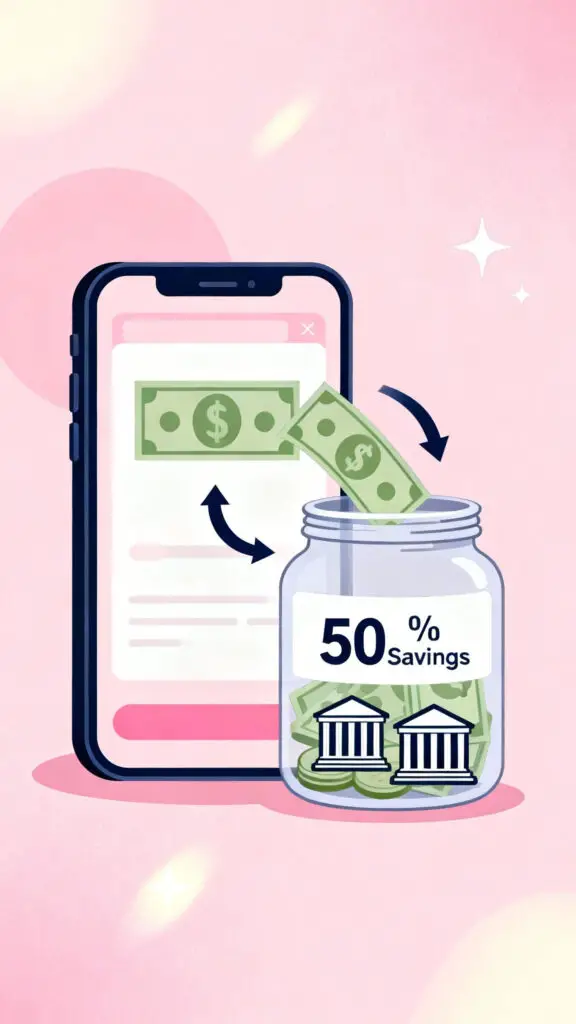
Saving can become almost effortless and less demanding when you automate your savings and set up an automatic transfer from your checking account to your savings account. Some banking apps allow you to set up automatic transfers so this way, whenever you get paid, a specific amount automatically moves to your savings account.
What makes this tip a considerable option is that it takes away the intentional effort of moving the money and it also prevents you from dipping into your income when your paycheck arrives, making saving easier and manageable.
Increase Your Income Strategically
Sometimes saving money is not only about cutting costs or making big sacrifices, it’s about increasing your income by earning more. You can consider side hustles that combine passion with income, babysitting, pet sitting, selling items online, or put your skills to work by offering services on freelancing platforms like Fiverr, Upwork, or Freelancing.com.
Even earning an extra every week can help you boost your income, allowing you to direct your money towards your savings and boosting it. You can think of this step as expanding your financial potential rather than limiting your lifestyle or making big sacrifices.
Shop Smart and Buy at the Right Time
Smart shopping can reduce your expenses without making you feel like you’re missing out. You can plan your purchases around big sales, compare prices, buy seasonal items, or wait for discount events to get the things you need for much less than their original price.
Moreover, you can also try to avoid impulse purchasing or overspending to protect your budget. It is important to realize that when you buy intentionally, not emotionally, you keep more money in your pocket, making it easier for you to reach your 50% savings goal while enjoying quality products.
Focus on Needs Over Wants
A big part of saving your income is learning to differentiate between needs and wants. Needs are those basic and essential expenses that are necessary for survival, such as housing, utilities, food, or transportation. On the other hand, wants are those nice-to-have or non-essential expenses such as shopping sprees, subscriptions, or takeouts.
It’s important to prioritize your needs over wants but that doesn’t mean you should never treat yourself. When you prioritize your needs over your wants, you avoid financial leaks that quietly drain your income, making it essential for you to put your needs first, always.
Cut Subscriptions and Recurring Costs
Another helpful tip to save 50% of your income is to cut subscriptions and recurring costs because individually, they may feel small, but if you combine them, they take away a huge portion of your budget.
Whether it’s yearly subscriptions, streaming services, apps, memberships, or auto-renewals you have forgotten about, it’s essential to go through your subscriptions and cancel anything you don’t use regularly or switch to a cheaper plan. Reducing these recurring expenses frees up money every single month, allowing you to direct that same money towards something more meaningful like your regular budget or savings.
Cook More and Reduce Eating Out
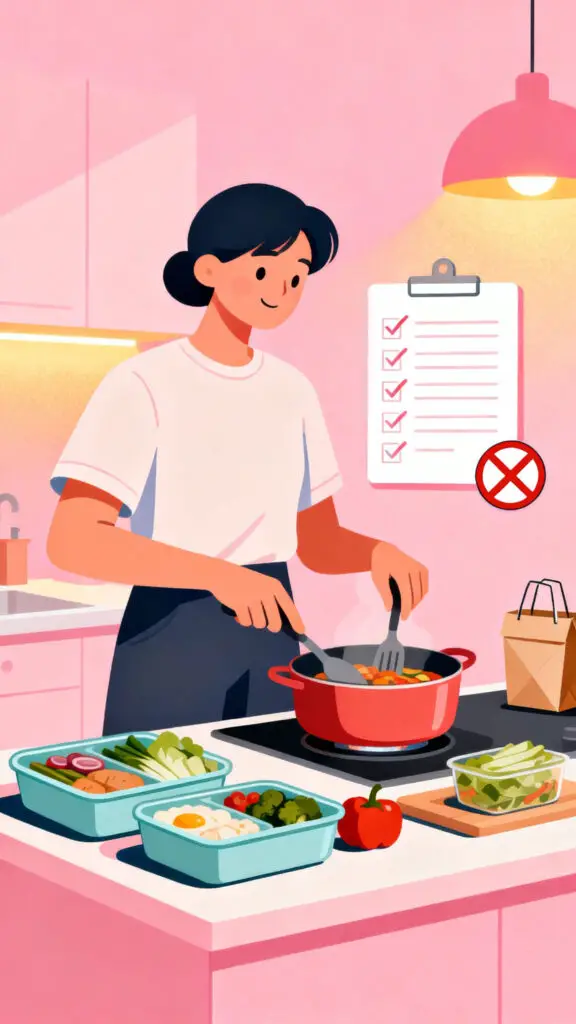
Cooking at home is one of the easiest and most effective ways to cut your spending without making your lifestyle feel restricted, because when you cook your own meals, you not only spend less but also have complete control over your portions, ingredients, and the number of meals you can stretch throughout the week.
Eating out, even if it feels small at the moment, adds up quickly and can easily take away a large chunk of your monthly budget without you realizing it, especially when you’re going out frequently or relying on takeout during busy days. By planning simple meals, meal prepping on weekends, and keeping basic groceries stocked, you make it much easier to avoid unnecessary food spending, helping you free up money for the savings.
Avoid Debt and Pay Down Existing Debt
Avoiding unnecessary debt and paying off the debt you already have is one of the most important steps when you’re trying to save 50% of your income, because debt eats away at your financial progress by pulling a portion of your money into interest payments every single month.
When you eliminate debt, especially high-interest debt like credit cards or loans with heavy fees, you free up money that can be directed toward your savings instead of paying for something from the past. This doesn’t mean you have to clear everything overnight, but setting a small, consistent repayment plan, refinancing where possible, and staying disciplined with your spending can slowly reduce your debt burden.
Build a Minimalistic Mindset
Building a minimalistic mindset doesn’t mean you have to live with almost nothing or stop yourself from enjoying life, it simply means learning to appreciate the things you already have and becoming more thoughtful about what you allow into your life, especially when it comes to spending your hard-earned money. A minimalistic approach helps you avoid unnecessary purchases, emotional shopping, or buying things just because they’re trending, which are habits that quietly drain your finances.
When you start valuing experiences, simplicity, and intentional spending over constant buying, you naturally reduce your expenses without feeling deprived, and this shift in mindset makes saving 50% of your income feel more natural.
Review and Adjust Monthly
Saving 50% of your income isn’t something you set once and forget about, it’s a process that requires regular reviewing, adjusting, and reshaping as life changes, because your income, expenses, and priorities will naturally shift over time.
By sitting down at the end of each month to review what worked, what didn’t, where you overspent, and where you saved well, you give yourself the chance to stay in control of your financial habits and make improvements whenever needed.
Conclusion
Saving 50% of your income may look challenging at first, but once you develop structure, adjust your habits, track your spending, and build a mindset that prioritizes intentional choices, the process becomes smoother and more manageable, even if your starting point feels far from perfect. The goal isn’t to make life feel restricted, but to help you gain control over your finances, reduce unnecessary spending, and build a future where you feel secure and confident about your money. With small, consistent steps, whether through cooking at home, cutting subscriptions, paying off debt, or reviewing your progress each month, you move closer to a healthier financial life that supports your goals and gives you the peace of mind you deserve.