
Budgeting your finances fortnightly can be a comforting experience especially when your finances align perfectly well with how you get paid. For many people, getting money every two weeks means money comes in faster as compared to those monthly paychecks and when you build your budgeting plan around the two weeks timeline, you can give your finances a proper structure, making them more manageable and predictable. Instead of working on larger amounts at the end of every month, budgeting every two weeks can help you manage your finances by dividing the large sum into smaller and more manageable portions. This article will help you explore ways to budget your finances fortnightly, ensuring that your finances continue to work for you, not against you.
Understand Your Fortnightly Income Clearly
The very first step when you begin your journey of budgeting fortnightly is to understand the income that’s coming in every two weeks. Instead of depending on guesswork and assuming things, a smarter approach would be to take a moment, calculate your income, and figure out what your take-home pay is.
This can include your main salary, your allowances, or even those side hustles that you work on occasionally. Once you have a clear starting point, the rest of your journey becomes easier, giving you a direction and kickstart regarding what the journey ahead will look like. Not only does this step help you with awareness, it helps you avoid overestimating and overspending as well, helping you become more mindful and intentional with what you spend on.
Break Monthly Expenses Into Fortnightly Portions
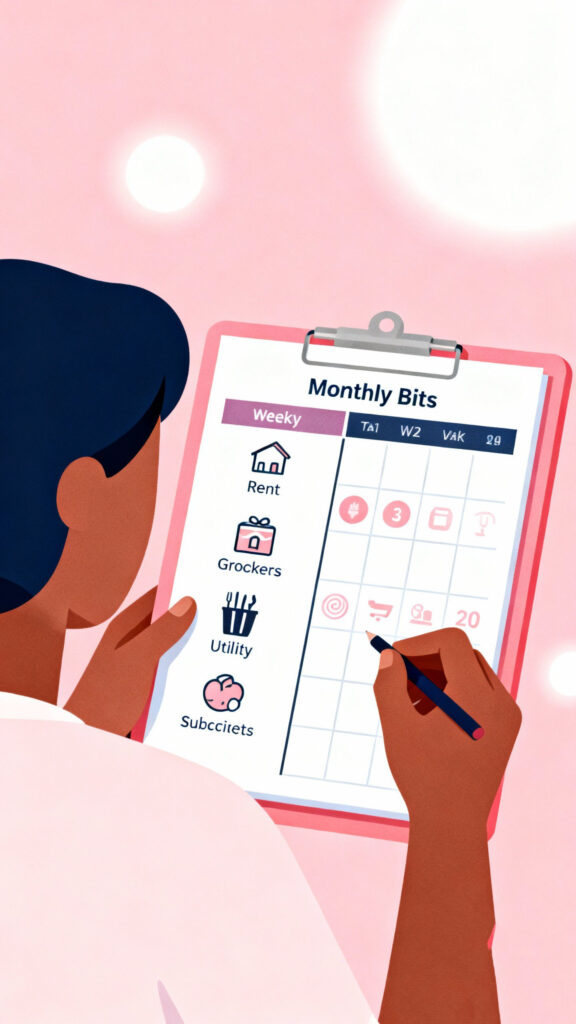
The next step is to list down all your expenses, from rent to groceries, mortgage payments to subscriptions, and bills to snacks. Most of the bill payments come every month, which is exactly why it is important to plan ahead and divide the bill payment into two, so you know exactly what to set aside every two weeks to pay the bills.
Whether it’s rent, utility bills, subscriptions, groceries, transport, or tuition fee, breaking down these non-negotiable bills into two can help you plan effectively, planning with structure and discipline. This way you can also avoid the awful feeling of watching your entire paycheck disappear the moment a new month starts because you’ve already budgeted for them in advance, making you feel more satisfied both financially and mentally.
Use a 50/30/20 Framework Adapted for Bi-Weekly Pay
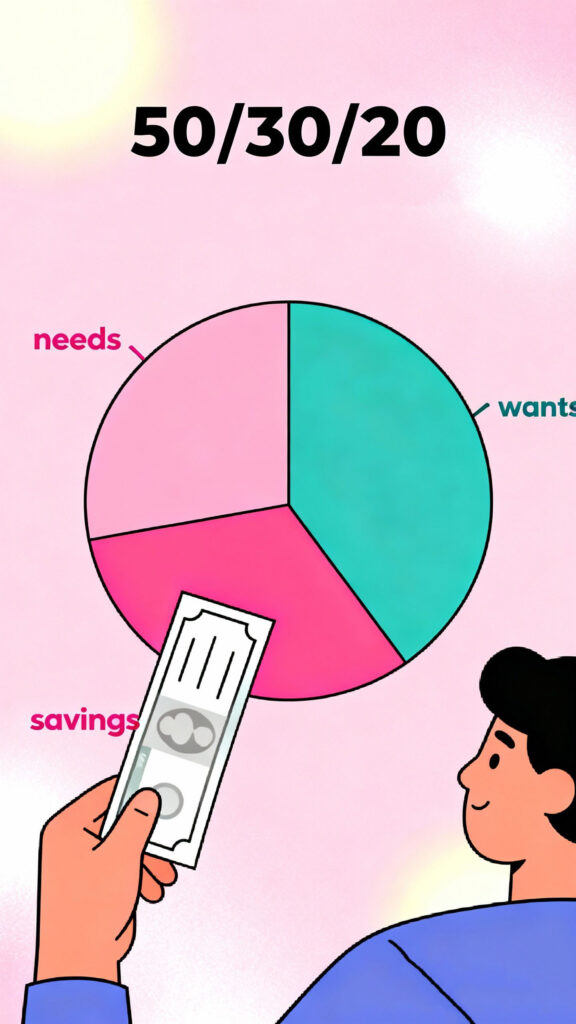
The next step is to use the 50/30/20 framework which is all about dividing your paycheck into a balanced ratio with three categories. According to the rule, 50% of your income goes to your needs or those essential expenses such as rent, housing, utilities, or transport, 30% goes to your wants or the nice-to-have spending category such as takeouts, coffee runs, or subscriptions, and lastly 20% goes to savings, investments, or paying off debt, if there are any.
What makes this different from the monthly 50/30/20 rule is that you apply the percentages to every single paycheck instead of waiting for the entire month’s income to arrive. Moreover, with this fortnight approach, you get to manage smaller amounts more frequently, making it easy to track money and adjusting your lifestyle surrounding your budgeting plan rather than struggling with big numbers each month.
Prioritize Essential Bills First Each Fortnight
The next step is to prioritize your essential bills over the non-essential ones. This can include half of your rent, groceries, utilities, transportations, and other payments. Treat these expenses as those non-negotiable bills and set money aside for them whenever your paycheck arrives, helping you avoid confusion later on.
Doing this simple but highly effective step can help you create peace of mind that comes along with knowing that your needs are covered before you even think about spending your hard-earned money on anything else.
Set Up Automatic Savings Transfers
Another considerable option when it comes to budgeting your finances in an effective way is to set up automatic savings transfers. When you are paid every two weeks, small amounts build up surprisingly fast, and automating these transfers removes the temptation to spend.
Some banking apps allow you to set up an automatic transfer so the moment your paycheck hits your account, a specific account moves to your savings account, helping you set money aside while still enjoying the money you work so hard for. What makes automation a considerable option is that it takes away the intentional effort to save, helping you save in an almost effortless way.
Create a Cushion for Irregular Expenses
Not all expenses show up every month, some show up occasionally and some up unexpectedly which is why it is so important to prepare yourself for those expenses so you can pay for them without having to put your entire budget on stake. Instead of panicking when these expenses appear, you can create a small category in your fortnightly budget called future expenses.
Whether it’s for a sudden medical emergency, car repair, birthdays, or holidays, having a cushion can help you plan for these expenses without having to stress over your budget. Over time this small habit can provide you peace of mind and satisfaction, knowing that in case an unexpected expense shows up, you have a safety net in place that can help you take control and make decisions with confidence.
Use a Simple Tracking System You’ll Actually Follow
A fortnightly budget works the best if you’re tracking it in a way that doesn’t feel like a burden. You can use a budgeting app, a spreadsheet, a notebook, or something as simple as the notes app in your phone. The key is not to overwhelm yourself with details, it is more about helping you stay aware of what you spend at, allowing you to become more mindful and make changes if you identify an unhealthy spending pattern.
Allocate Personal Pocket Money for Flexibility
When you’re budgeting every two weeks, it becomes extremely important to give yourself a little breathing room, and this is exactly where personal pocket money comes in. This small portion of your paycheck is meant just for you, allowing you to enjoy small treats or comfort purchases without feeling guilty or like you’re breaking your budget.
Whether it’s a coffee run, a small snack, a quick outing with friends, or something fun that brightens your week, this category keeps your budget realistic and enjoyable. Allocating pocket money helps prevent overspending in other categories since you already have a space for stress-free spending, and it keeps you motivated to stick with your budget long-term because you don’t feel deprived or overly restricted.
Review and Adjust Every Two Weeks
One of the best advantages of budgeting fortnightly is the chance to reset and realign your spending habits every two weeks without waiting for an entire month to pass. This simple review session helps you understand where your money went, what categories worked well, and what areas need adjusting.
Reviewing frequently gives you a clearer picture of your financial patterns, helping you identify small mistakes before they turn into bigger issues. It’s a chance to celebrate your small wins, correct any overspending early, and adjust plans for the next two weeks with more clarity.
Plan Meals and Groceries Around the Fortnight Cycle
Groceries can easily take up a big portion of your income, which is why planning meals around the two-week cycle can be one of the smartest decisions. Instead of making several random trips to the grocery store and ending up with unnecessary items, you plan ahead for 14 days, listing what you need and buying intentionally.
This helps reduce impulse buying, food waste, and the stress of last-minute meal decisions. A simple two-week meal plan can guide your shopping list and keep your food expenses within budget. Over time, this habit not only helps you save money but also saves time and energy, making your daily routine feel more organized and predictable.
Use One Paycheck for Essentials and the Other for Goals
A helpful budgeting strategy many people find easy to follow is dividing the purpose of each paycheck into two categories, one paycheck mainly for covering essential bills and must-pay expenses, and the second paycheck for financial goals such as savings, sinking funds, debt payments, or investments.
This method brings structure and clarity to your finances because you aren’t mixing everything together, and you always know what each paycheck is meant to accomplish.
Conclusion
Budgeting your finances fortnightly is a practical and empowering approach that matches the flow of your income with the way you live your daily life. Instead of juggling large monthly numbers, splitting everything into two-week portions makes your expenses easier to manage, your savings easier to maintain, and your goals easier to reach. With clear steps such as dividing expenses, prioritizing essentials, automating savings, planning meals, reviewing often, and giving yourself flexible spending money, you create a system that works for you rather than controlling you. This method helps you stay consistent, confident, and financially organized, allowing your money to support you in a smoother and more intentional way.